Book review: Hannibal Lecter: A Life. The killer and the man behind him.
by Brandon Norwood
I've always known of Dr. Hannibal Lecter my entire life. The famous fictional serial killer who uses various parts of his victims for fine cusine. Even as a child, friends and I would quote Hannibal the Cannibal's most famous lines without having seen any of the film or read any of the books. That's how ingrained this character was in pop culture. Hannibal Lecter: A Life makes that clear as well. I finally understand how a young child like myself was quoting something that should never have been on my radar.
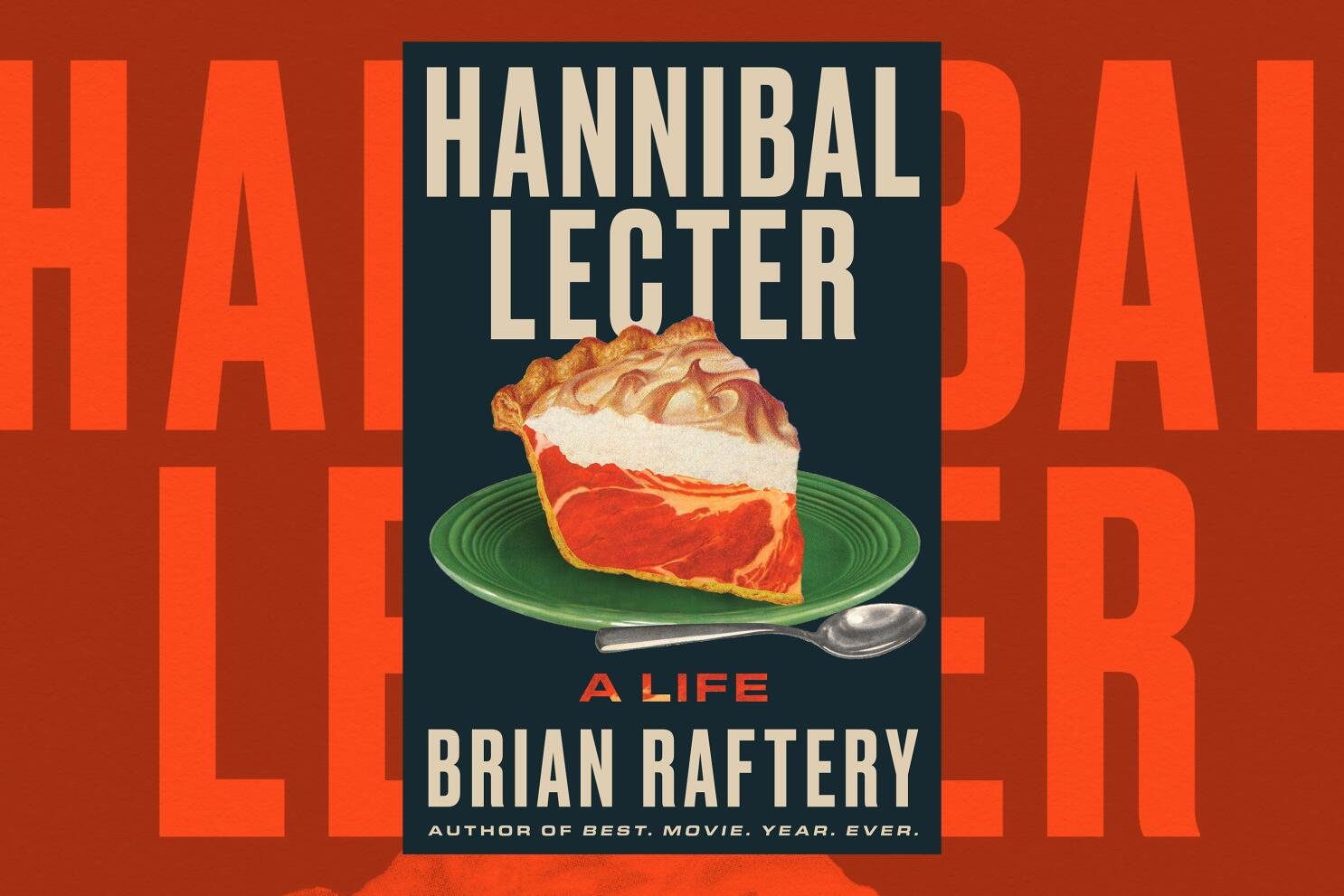
Brian Raftery has researched this excellent book extensively. From interviews to archival deep dives, it's clear that Brian is a fan like the rest of us. His prose and writing style are so engaging that this turns into a page turner. The footnotes offer great context to things that wouldn't fit on the page. Not to mention the acknowledgments and notes, which would have been five chapters long had they been part of the actual book. Going into excruciating detail Brian is just as obsessive as Thomas Harris and his creation Lecter.
What's most surprising here is that this is as much about author Thomas Harris as it is Hannibal Lecter. Brian wastes no time opening this book to Thomas's childhood and his fascination with true crime, which stemmed from his time as a reporter. Thomas is meticulous. So when his first novel Black Sunday was published about a potential terrorist attack and assassination attempt, I was not surprised to read how taken aback everyone was. A man who has seen things firsthand, has no limits on what the mind can produce fictionally.
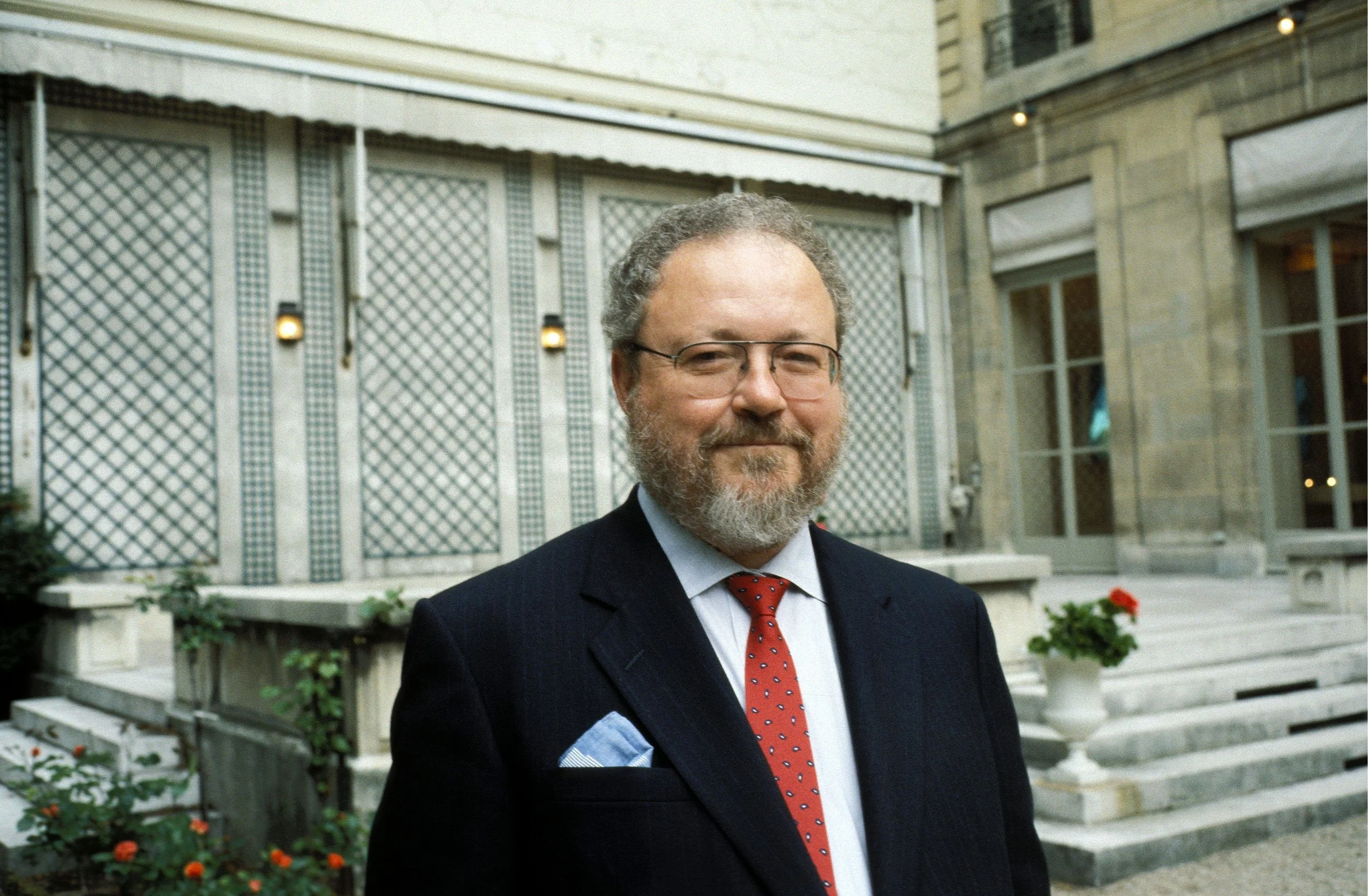
Thomas Harris
Brain goes into detail on how well Thomas researched Black Sunday's inclusion on the FBI reading list. He was such a rock star with the bureau that he was granted unlimited access when writing his next book, Red Dragon; everyone was shocked by how violent and lurid every detail was. But one aspect of that novel had captured everyone's attention right away. Dr. Hannibal Lecter.
I have a feeling that Lecter was not central to Thomas' writing career. In fact, I wonder if Hannibal had been revisited if everyone wouldn't obsess over this murder, which involved a minor character, even if he looms large over the novel's events.
Thomas writes very slowly. Years passed between his first two novels and even longer for his third novel The Silence of Lambs, to be written and published. Everyone has seen the film, but I have read the book. If you've never read a Thomas Harris novel, I implore you to do so. His style is so engrossing, like Brian's with this book, that you'll be turning the pages fast (I'm a slow reader. Fastest book I ever read was Heat 2, which I finished in two days).
Brian details how his most iconic novel came to be. While researching at the FBI, he saw first hand how female agents were treated. However, he got close with an agent who would end up being the basis for one of fiction's greatest heroines: Clarice Starling. Athena Varounis became the central inspiration for Clarice (along with two other female FBI agents), Athena and Thomas became friends for life. She was even impressed when Jodie Foster managed to get her Southern drawl right in Jonathan Demme's landmark film adaptation.
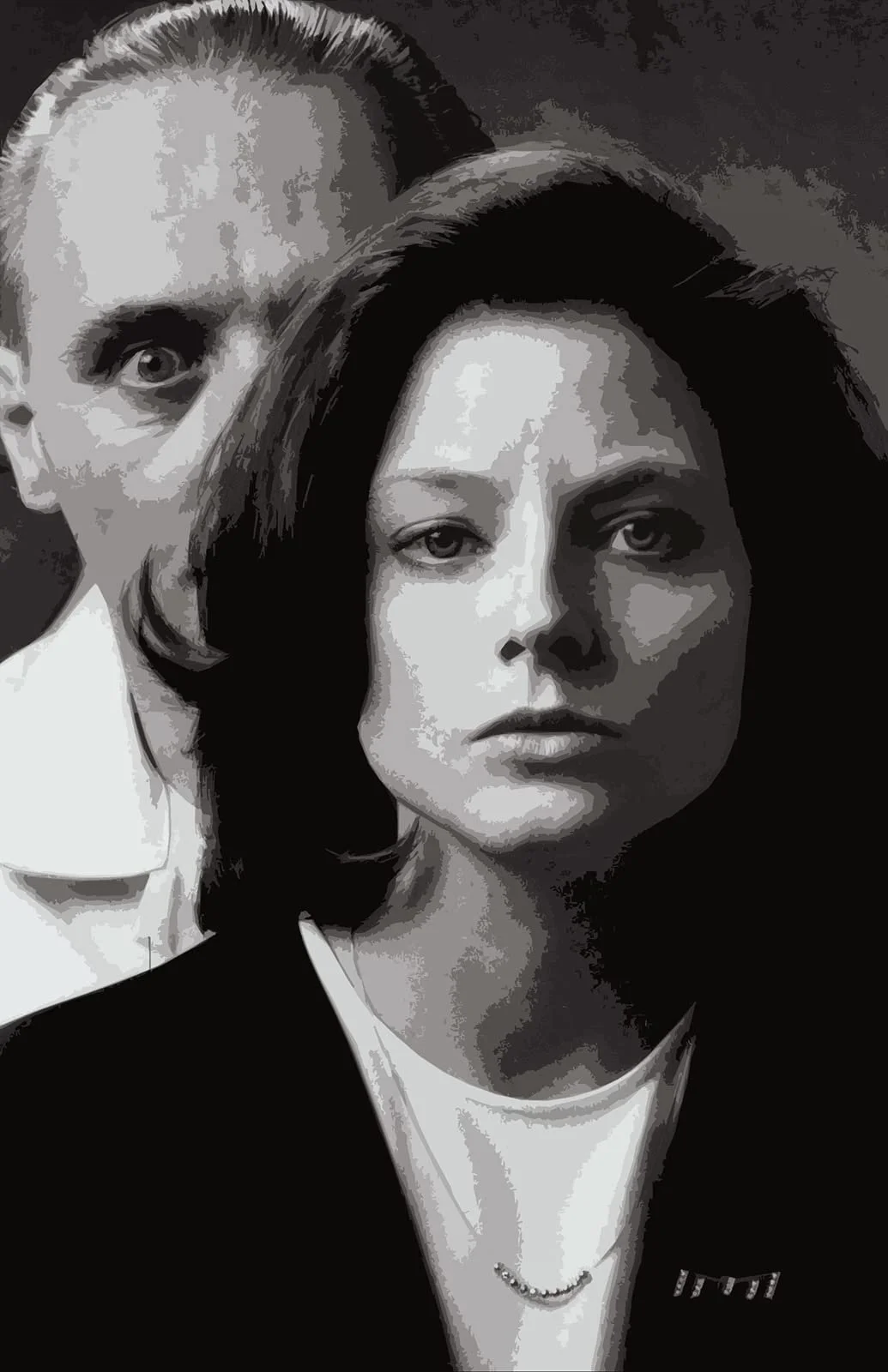
Clarice and Hannibal behind her
When we get to the controversial novel Hannibal (which I read and enjoyed until the last two chapters), you can feel the weight of expectation take hold and slowly crush Thomas Harris. He dreaded writing it. Making Hannibal and Clarice ying and yang is certainly not a bad choice. In addition to the graphic, detailed violence that disgusted even hardcore Lecter fans, it was the salacious last two chapters that put EVERYONE off. Thomas' reasoning: "In the end, I let them go, as you must let characters go, let Dr. Lecter and Clarice decide events according to their natures." A cop out if you ask me. An ending so bad that the film adaptation team sat Thomas down to write a new ending. Even the new ending fails to stick the landing although it is MUCH more satisfying than the book's (hats off to Hans Zimmer for creating an opera just for the film. A cue so good Ridley Scott used it again in Kingdom of Heaven as well as the first season finale of Hannibal the show).
One figure who looms large in the last few sections of the book is infamous Italian Dino De Laurentiis. It doesn't matter what part of the film industry you're in, you've heard of DIno and how much of a pain in the ass he is (not to mention his financial troubles. So it should be to no one's surprise to see how mismanaged he handled Hannibal Lecter on screen. I had only seen Michael Mann's Manhunter (Red Dragon adaptation) ten years ago. He had no involvement on The Silence of the Lambs adaptation, he was all in the mix on the Hannibal adaptation (for better and for worse) and is responsible for the downfall of Dr. Lecter on screen with the hiring of Brett Ratner for another adaptation of Red Dragon. Dino opted to keep the name this time. Read the book to find out why the name was changed in the first place.

Author Brian Raftery
He pushed Thomas Harris to write both the novel and the screenplay for Hannibal Rising. I'm not very familiar with either, as I've only heard negative things, which Brian addresses head-on. Brain ends the book on the much beloved Hannibal show that aired for three seasons on NBC and was canceled too soon. Creator Bryan Fuller has described what Red Dragon would be if David Lynch directed it. An apt description, this show remains a personal favorite of mine and one of the most surreal mind-fucks ever put to television not named Twin Peaks.
I must say throughout the novel, Hannibal and his creator Thomas Harris have much in common. Brian emphasizes these similarities by highlighting Thomas's reclusive nature as well as his affinity for fine dining and cooking. Thomas also likes the doctor himself and does not appreciate people's rudeness.
I can only imagine how hard it must have been to write this book. Thomas Harris gives next to no interviews, so relying on second-hand accounts from people who knew him or worked with him had to be a struggle. One thing Brian Raftery tries to make clear is that Hannibal and Thomas are one in the same, even if Thomas Harris is not a cannibalistic serial killer. Hannibal Lecter: A Life is such a fascinating read into Thomas, into Hannibal, but most importantly, into American society's obsession with serial killers.